Skip to content Skip to sidebar Skip to footer

Guidelines to Developing E-commerce Websites

If you’re running a business in traditional retail and looking to expand your exposure and catch up with the traffic, then you’re definitely heading towards building your brand and displaying your services online where all eyes are landing now.

Sooner or later, you’re looking for new marketing strategies.

New marketing strategies to expand your exposure and catch up with the traffic

What’s an e-commerce website?

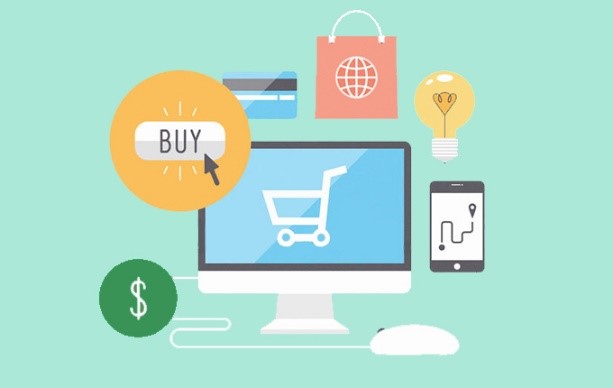
E-commerce is a website where you can buy and sell physical goods, services, and digital products via the Internet instead of a physical store. Through the e-commerce website, companies can process orders, receive payments, manage delivery and logistics, and provide customer service.

The purpose of websites is to promote services and products on the Internet, but e-commerce websites take it one step further. E-commerce websites provide target audiences with the opportunity to purchase products and services directly from their business, making it the most beneficial new marketing strategy.

Benefits of having an e-commerce website

1. No geographical limitation, reach out to a larger number of potential customers fast.

2. Online commerce is driven by search engine traffic. This additional source of traffic makes all the difference for some e-commerce businesses.

3. Stay open at all times.

4. Locate products quicker.

The main benefits of having e-commerce website

5. Lower cost; No need for a prominent physical location, e-commerce marketing automation of checkout, billing, payments, inventory management, etc. lowers the numbers of employees, and organic marketing strategy (pay-per-click) can be cost-effective.

Types of e-commerce Websites

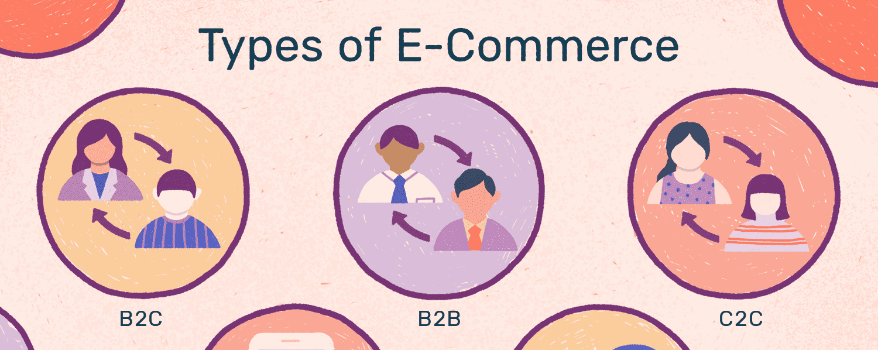
There are three main types of e-commerce:

1. Business-to-business, such as Shopify.
2. Business-to-consumer, such as Amazon.
3. Consumer-to-consumer, such as eBay.

How to develop your e-commerce website?

It’s not as hard as it may look. Our guide to building an e-commerce website will disclose everything you need to know to create an e-commerce website so you can start selling online in 5 easy steps:

1. Get a Domain Name:

Your domain (also known as a URL) is your web address. It’s the “home” of an e-commerce site on the Internet. Shoppers type in the browser bar to access the site. Choosing the right domain name is important for both branding and overall success. If possible, choose a business name and domain name that is closely related to what you are selling. By using descriptive keywords and key phrases for your business and domain name, your customers can know in advance what you are selling and are an integral part of your business’s SEO marketing strategy.
Domains can be purchased through domain registration services such as GoDaddy, Bluehost, and Google Domains. Visit one of these websites and enter your domain name. You can see if this domain is available. If not, the service will display options for an alternate name. Domain names typically cost 12$ to 25$ per year, depending on the service and add-ons you choose.

2. Choose your e-commerce Platform:

Your e-commerce platform is where your website will be “living” online. There is a free e-commerce platform with limited functionality (e.g., Square Free Online Store, Freewebstore, or Ecwid) and an almost free e-commerce store built on WordPress. You can add e-commerce capabilities to popular website builders or choose a dedicated e-commerce platform that can support unlimited growth (e.g., BigCommerce, Shopify, or Shift4Shop)

3. Start Building your Website:

Now that you’ve decided on your e-commerce platform, it’s time to start building your e-commerce website. Start on the following:

  • Your logo and brand imagery:
    All e-commerce platforms allow you to create basic logos. Alternatively, you can visit Canva and use the free logo template to create your own logo. You can tell your story more effectively by using your own brand image.
Tell your story using your brand imagery
Mockups would give the products on your e-commerce website a professional look
  • Products’ photos, descriptions, and data:
    Take photos of your products (possibly use mock-ups that would give your products a professional look) and/or create videos to display your services including detailed descriptions that would help you avoid customers’ emails or calls as much as possible. Use keywords to achieve search engine rankings.
  • Add all your products options:
    Variables (like sizes and colors), prices, item size and weight, and inventory.

  • Your story:
    Add an ‘About Us’ section and connect with your customers. Share your personal journey and make it engaging and entertaining. Embellish it with photos or videos, making people come back for more.
  • Customer Service Page: Great customer service will keep people coming back. Be specific and clear about your delivery charges, return policy, shipping turn-around, and privacy policy that most e-commerce platforms provide as a sample you can insert.
Great customer service page will keep people coming back
  • Blog Content:
    Blogging is a great way to create continuous content and improve your e-commerce website’s search engine rankings. Blog posts become part of your overall marketing strategy. You can continue to reuse this content through social media platforms and email marketing to get more value from your efforts.

  • User-friendly Navigation:
    E-commerce site menus help shoppers easily navigate the content of stores, blogs, and websites. Create the main menu bar with a footer menu and, top and sidebar menus.
4. Set up your tools:


  • Set up your payment service.
  • Integrate your shipping software with your e-commerce platform.
  • Set up your marketing features: Connect to your social channels for social media monitoring. You can connect WooCommerce to top email marketing services.
Tools to setup on e-commerce website
5. Test and launch your e-commerce website:
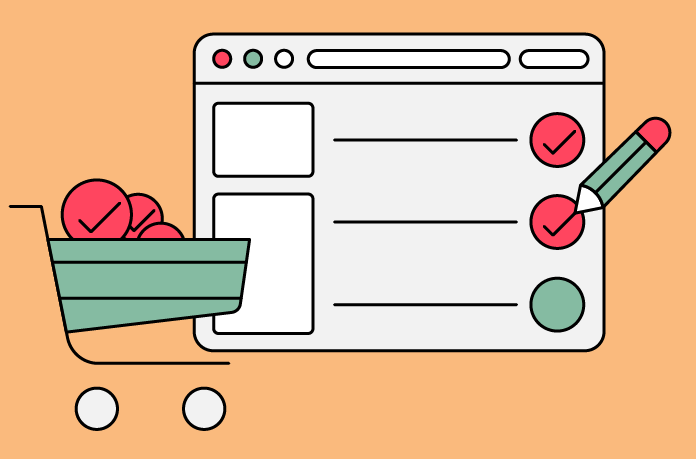
The final step in building an e-commerce website begins with processing some test orders. After successfully placing some test orders or fixing any errors that occur while navigating your e-commerce site, you are ready to launch the store.
Keep in mind that launching an e-commerce website doesn’t mean immediate sales. Search engines take time to find and index new online stores.

E-commerce Market Size in Kuwait:


Kuwait had an e-commerce industry with market size of US $ 1.9 billion in 2020. The size of the e-commerce market in the GCC region is expected to grow to US $ 21.6 billion this year.
E-commerce market size in Kuwait

The whole world is online and it’s important to keep up with our social media and marketing but if you’re finding it challenging to create an e-commerce website, don’t worry, our team is here to assist you. We understand that building an online store can be a daunting task, especially if you’re new to the digital world. That’s why our team of experienced professionals is ready to step in and help you create a top-notch e-commerce website. We are committed to providing you with a platform that not only looks professional but also functions seamlessly, ensuring a smooth shopping experience for your customers. With our expertise, we can help you overcome the hurdles of e-commerce website creation and guide you towards achieving your business goals.

  Special days in March

test kumarhgjh hghgh